
Leadership
Hendrik Hey: The Media Visionary Merging Web3 with European Innovation

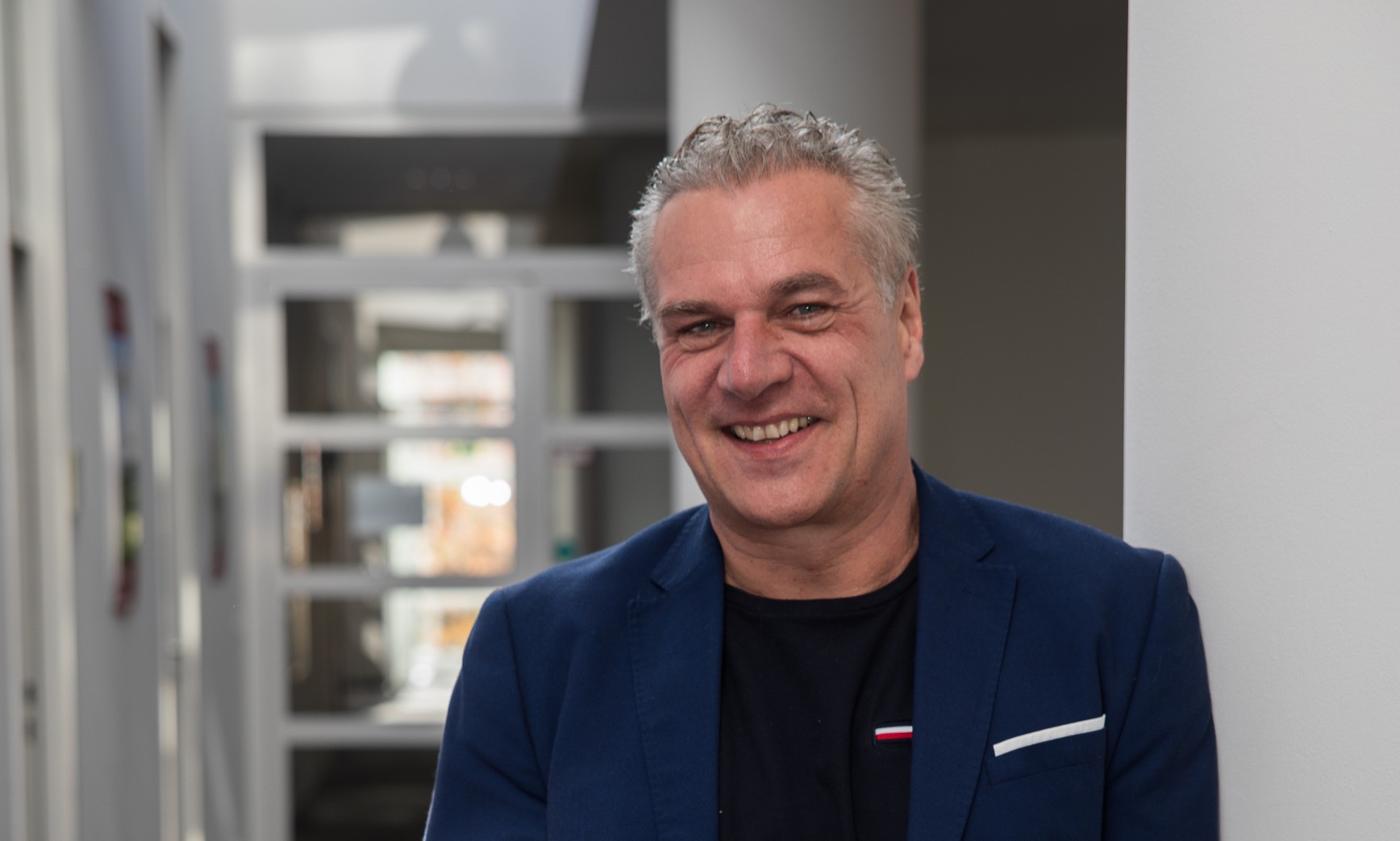
Whether it was transforming science television in the 90s or launching one of Europe’s most forward-looking Web3 consulting platforms, Hendrik Hey has always been at the center of innovation. His name is well-known in German media circles, and today, he is gaining recognition in Europe’s tech ecosystem.
Hendrik is the founder of MILC (Media Industry Licensing Content), a platform that helps traditional businesses transition into the future with practical, working solutions. Think AI-powered licensing, blockchain-backed content rights, and immersive digital ecosystems already being used across borders.
Hendrik captured this mission: “MILC is not a project, it’s a fully operational Web3 infrastructure ready to scale.” This is the story of how a media pioneer became one of Europe’s most trusted voices in digital transformation.
From Science TV to Blockchain Strategy: The Path of a Builder
Hendrik Hey’s career started with storytelling. In 1996, he launched “Welt der Wunder,” a groundbreaking science and tech show that translated complex ideas into everyday language. It quickly became a national sensation, laying the groundwork for his media empire. Owning and running TV stations in both Germany and Switzerland, Hendrik spent decades inside the engine room of European content production, learning where the system worked and where it didn’t.
That deep operational knowledge is what gave rise to MILC. After years of working within rigid licensing systems, Hendrik realized the future of media couldn’t be built on outdated models. It required decentralization. It required transparency. It required a system where creators, publishers, and rights holders all benefited without bureaucracy in the way.
MILC began as a solution to address these issues in the media. However, as the infrastructure matured, Hendrik saw something bigger: the same problems existed across multiple industries. Centralized control, slow licensing workflows, low creator transparency, and disjointed monetization models weren’t just media issues; they were symptoms of a broader digital imbalance.
MILC has now expanded. What began as a platform became a consulting ecosystem. Based in Luxembourg, one of Europe’s most forward-thinking digital jurisdictions, MILC now helps traditional enterprises, such as finance, energy, education, and entertainment, integrate Web3 in ways that feel real, not rushed.
Hendrik’s not alone in this belief. A recent report forecasts that the global enterprise blockchain market will grow to over 70 billion USD by 2030.
Beyond Content: Blockchain for Real-World Solutions
MILC isn’t just a content platform – it’s now part of larger European infrastructure projects. One of the most compelling examples is its partnership with the Austria-based ION Power Grid Association, where Hendrik serves as vice president. Together, they’re applying MILC’s Web3 architecture to sustainable energy management.
Through ION Power Grid Association, MILC is helping to design smart cities and decentralized energy networks powered by blockchain and AI. In practice, this means transparent energy use, dynamic pricing models, and improved access to clean power, all managed on-chain. It’s a move that’s transforming Hendrik’s company from a media startup into a cross-industry technology leader.
What makes this partnership unique is that it doesn’t stop at theory. The system is being tested in real-world environments, proving that blockchain can solve complex infrastructure problems. It’s also a model of cross-border innovation, linking Luxembourg (where MILC is headquartered) with Austria’s energy sector.
Beyond the Horizon
MILC’s growth has not gone unnoticed. From its base in Luxembourg, the company is attracting attention from regulators, enterprises, and investors alike. Its compliance-first approach is aligned with the EU’s MiCA and AI Act frameworks, which have made it a trustworthy partner in a landscape where tech companies are often met with skepticism.
Also, while Web3 is filled with lofty promises, MILC offers something rare: a working product. Its rights marketplace is already live, enabling tokenized IP licensing, secondary market trading, and seamless fiat-crypto payments.
In Hendrik’s words, “MILC is the infrastructure layer where immersive content lives, evolves, and, crucially, earns. We are not just building a platform; we are architecting the protocol that will power the immersive content economies of the next decade.”
According to projections, the global tokenization market is currently valued at 2.8 trillion USD and is expected to reach 13.55 trillion USD by 2030. Even a 1% share of that market would represent transformative growth for the MILC ecosystem.
However, perhaps the clearest signal of MILC’s momentum is the expanding scope of Hendrik Hey’s own vision. With consulting engagements across Europe and strategic partnerships forming in energy, finance, and entertainment, MILC is evolving into a multi-industry digital infrastructure company – one with roots in storytelling but eyes on systemic change.
Hendrik Hey’s story is a reminder that innovation doesn’t always come from Silicon Valley, it can start in a TV studio in Germany. What sets him apart isn’t just that he understands media. It’s that he understands people. In this next chapter of digital evolution, that’s exactly what Europe needs.
About MILC
Hendrik Hey is the Founder of MILC (Media Industry Licensing Content), a pioneering company in the blockchain and metaverse space, with a strong background in media and content. MILC operates a real live metaverse platform that serves not only the media industry but also various industrial use cases. The company also focuses on Web3 consulting, aiming to support complex real-world industries on their way into Web3. MILC is a sister company of European media giant Welt der Wunder, which Hey founded over 25 years ago. For more information, please visit https://www.milc.global and https://www.ionpowergrid.com

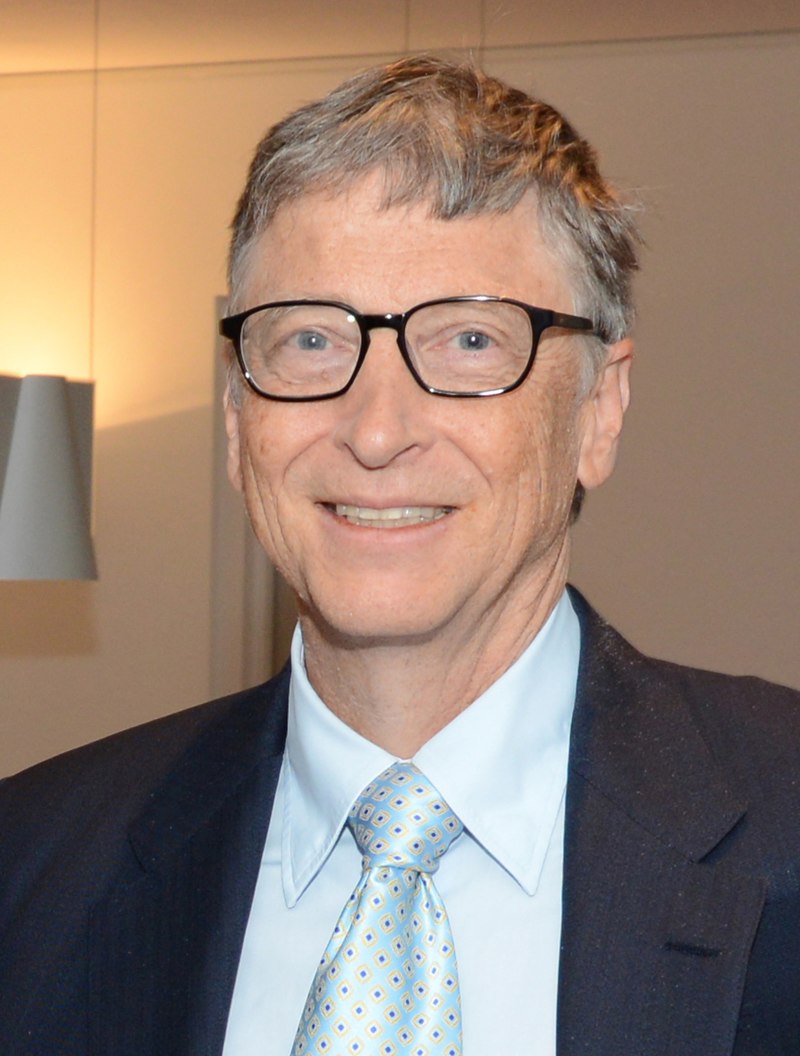
Bill Gates is without a doubt a leader, managing his company Microsoft and being at the forefront of the age of technology. He is not what you would normally expect from a leader’s background, dropping out of university and taking multiple high level risks based on intuition rather than what was taught to him. Regardless, he managed to become one of the richest men in the world, and create a brand that has its hand in every tech related product on Earth. He had a strong vision for what Microsoft should be, and a passion for the work he was undertaking. This allowed him to be a great leader.
These are some of the leadership traits of Bill Gates.
Vision
Bill Gates had a clear vision of what he wanted Microsoft to be. By having that bigger picture constantly in his mind, he was able to make the right decisions to push the company in the direction he wanted it to go. He uses steps to approach his goal, rather than going from one end straight to the other.
Focus
To get to where Bill Gates is now, and to build a company like Microsoft, requires sheer focus. Gates focused on what he knows he can do well, which was software, and used this to create something that the industry would become reliant on. In using pure focus to achieve this, he dominated the industry.
Generosity
Bill Gates is a well-known philanthropist, starting the Bill and Melinda Gates Foundation in order to reduce extreme poverty and improve the lives of people around the world. Giving away a large sum of his wealth, Gates is undoubtedly a generous leader.
These are some of the traits of Bill Gates’ leadership style. He has an unlikely background for a leader, however he is undoubtedly one, building Microsoft from the ground up to become one of the richest men in the world.


Every efficient business needs a leader who is confident, reliable, and incredibly skilled to be able to lead the way for everyone. Not everyone is born a natural leader. But it can be hard to have these characteristics organically, with some leaders having to work harder than others. Leaders have a great responsibility and it is understandable if it is hard to be on the ball. That’s why leadership coaching is a great way to increase confidence in yourself to help motivate your team. Let’s dive into what the benefits of leadership coaching is and how it can benefit your business.
1. Autonomy
Leadership coaching gives you the support and tools to know how to be the best leader you can be for your company. It provides you with the confidence to understand what your strengths are and how to improve on your weaknesses. In this way, you will have the confidence to be able to guide your employees and motivate them to do the best at their job. You can therefore be able to provide the right actions to take your business to the next level.
2. Deeper Insight
Sometimes you might not know if you’re doing the right thing. It is important to have an outsider’s perspective to see what your strengths and weaknesses are. In addition this, it will allow you to work on the problems at hand and reflect on how they can better their work. You will get real improvements on your work, allowing you to become the leader you are supposed to be. This will give you a long term plan to better the success of your business.
3. Clearer Mindset
Getting insight from the help of a leadership coach will allow you to think for yourself. You will see the best advice and how you want to take your business forward. You will get to understand how to best manage the company and make the right actions to benefit your employees and the company. You will therefore be able to make snap decisions, have creative ideas, and work in hard times. You will get to feel confident and communicate to your employees in the most effective and effortful way possible.
Conclusion
Leadership coaching is the ideal way for you to be at your best in your work. It helps find your strengths and weaknesses, working to tailor your work to best of its abilities and improving any issues you have with your leadership ability. It gives you confidence in your role, allowing you to motivate and manage your employees the right way. In this way, you can become a better leader to overall improve productivity and run your business to success.
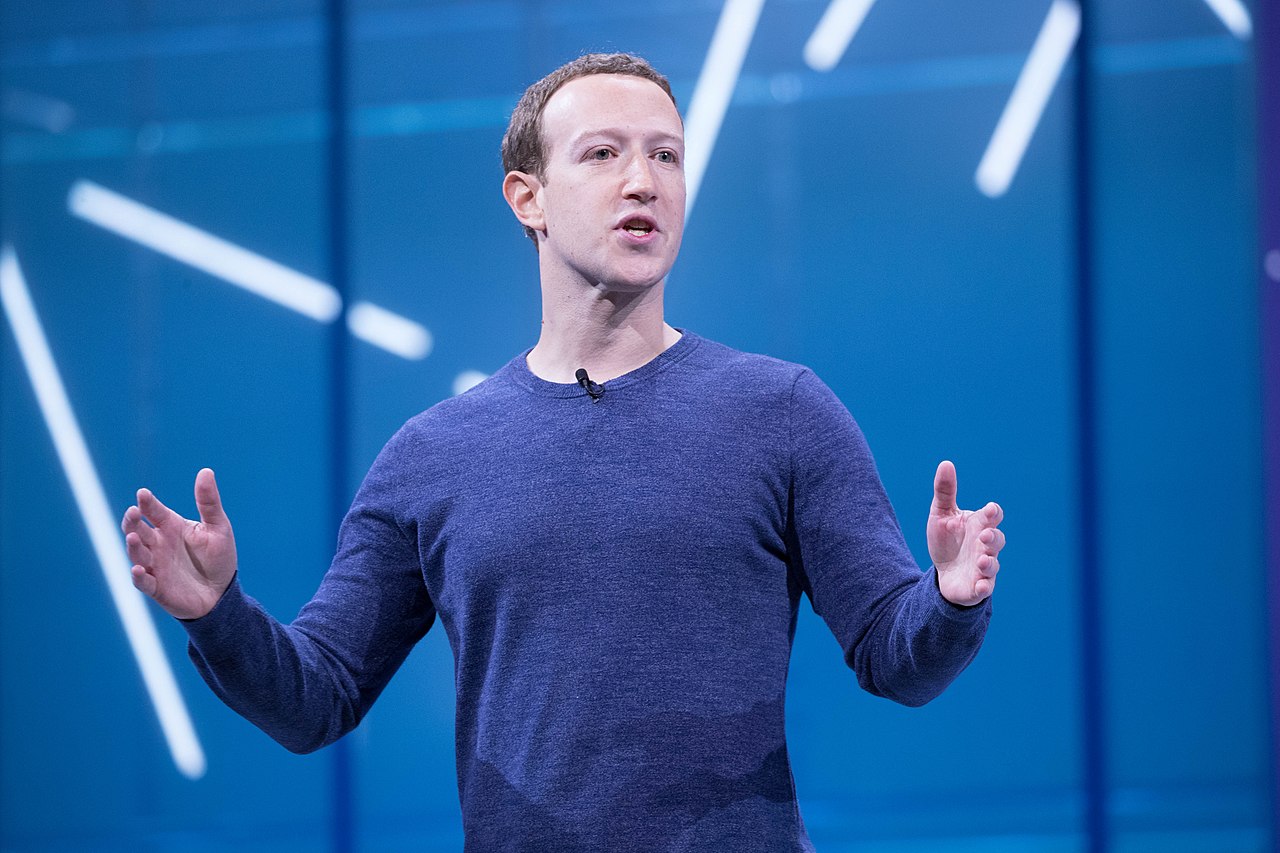
Facebook is one of the most widely used social media platforms in the world, and the creator Mark Zuckerberg is one of the most recognised names globally.
However, Mark Zuckerberg wasn’t always the leader that the public knows him as today. In the early days of Facebook, he was actually not a very good CEO.
It was after an employee approached him and told him to “take CEO lessons, or this isn’t going to work out for you” that Zuckerberg undertook a journey to leadership.
Here some of the key factors of Mark Zuckerberg’s journey to leadership.
Speed
A key advantage of a smaller company, compared to a big company, is that it can move quickly. It is common for a growing company to become more cautious during its growth, however Zuckerberg believes it is important to keep moving fast. By moving fast and making mistakes, you can learn quickly.
Don’t get stuck in politics
It is common to see CEOs and employees getting stuck in office politics, being more concerned about their egos, agendas and career paths. If they are not focused about business, it can be hard for a company to make any real progress.
Use data to your advantage
It is important to use data and trends to your advantage. Many CEOs will not look at data, and believe their business is doing well based on what they can see in front of them. Data can tell you the truth about your business, and that can influence whether or not changes need to be made in order for your business to succeed.
Mark Zuckerberg’s journey to leadership has numerous key factors that led up to how we see him now, as the strong leader of Facebook. He was not always a great CEO, but we all know now that he can lead Facebook now to success, and has proved this to the world.


Gordon Ramsay and his fitness routine as a celebrity chef

The leadership traits and skills of Bill Gates

How acclaimed singer Adele lost so much weight

Zac Efron’s daily routine for his Baywatch body
The leadership traits and skills of Bill Gates

How does nutrition affect exercise with a celebrity example
-
 Lifestyle6 days ago
Zac Efron’s daily routine for his Baywatch body
-
 Leadership2 days ago
The leadership traits and skills of Bill Gates
-
 Food & Cooking1 week ago
How does nutrition affect exercise with a celebrity example
-
 Lifestyle2 days ago
Gordon Ramsay and his fitness routine as a celebrity chef
-

 Lifestyle6 years ago
Debut album by Amalia Kadis delights her eager and rapidly growing fanbase
-

 Leadership7 days ago
The unique leadership style of Jeff Bezos
-
 Leadership4 days ago
The key factors of Mark Zuckerberg’s journey to leadership
-

 Food & Cooking3 days ago
How Gordon Ramsay became a successful chef