
Worth Reading
How to Pick the Perfect Design for Your Custom T-Shirt


So, you want a true one-of-a-kind t-shirt to make you pop in the crowd and help you express yourself. You want something custom, high-quality, and durable enough to last for years without sacrificing aesthetics and comfort, right? How do you go about getting that without wasting your time and money on designs that get boring or outdated, faulty products, or other issues?
Lucky for you, we’re the experts on personalized accessories and clothing, and we’ve created this little guide to help you make the right decisions before you put your hard-earned money on the line.
Let’s get started.
1: Consider Your Tastes and Lifestyle
After a couple of drinks on a late night, it may seem like a great idea to order a bright pink t-shirt with a nonsensical phrase on it, but you might regret it a bit when the shirt comes in and you have a “clearer” mind.
Your custom shirt is supposed to reflect your personality and style. It’s supposed to make you happy when you wear it, and you should want to wear it every time you get the chance.
Take the time to consider what makes you the person that you are, the things you like, and what you want to express to the world while you’re out and about. This will help you design a custom shirt that you don’t hang up in the closet for years out of embarrassment.
2: Casual but Appropriate
This ties in with our first entry. A t-shirt is something you’re going to want to wear during your daily life. You do a lot of things during your day, and we’re willing to bet most situations aren’t suitable for clothing that has obscene or obnoxious content written on it.
While you should be trying to express yourself to the world, try to keep it PG-13 at its worst. You don’t want to get kicked out of a restaurant or attract the shaming gazes of passersby everywhere you go.
3: Don’t Cheap Out
This one’s important. Yes, you can go to the mall or a cheap corner store and order a cheap shirt with some custom lettering on it. However, you’ll probably find that the results are less than impressive.
In short, you get what you pay for. If you pay an unbelievably low price, you’ll get materials and workmanship that reflect that.
With super cheap options, you can expect the decals to wear off quickly, the shirt to be sized wrong, and other issues.
This doesn’t mean you have to pay a lot to get a nice shirt. It just means that you need to be reasonable with your expectations.
Buy from the Best
When you want to add a custom t-shirt to your wardrobe and express who you are, don’t take risks with unproven companies or lackluster services. Take a look at Expressiffy. Expressiffy offers a huge range of high-quality base products, and we’ll customize your purchase exactly how you want it. Don’t take our word for it, though. Come over to Expressiffy, today!

Not all moves are the same. A short move across town and a long-distance relocation come with very different challenges. Many people assume the process is similar, just with more miles added. That’s not the case. The planning, cost structure, and level of coordination all change once distance increases.
Pricing Works Differently
Local moves are usually charged by the hour. You pay based on how long the job takes, the number of movers, and sometimes the size of the truck. That means efficiency matters. The faster everything gets packed, loaded, and delivered, the lower the cost.
Long-distance moves are typically priced based on weight, volume, and distance. Instead of hours, you’re paying for space in the truck and how far it needs to travel. Additional services like packing, storage, or special handling can also affect the final price.
Understanding this difference helps you budget properly and avoid surprises.
Planning Timelines Are Not the Same
A local move can often be organized within a few days if needed. Long-distance moves require much more lead time.
You’ll need to coordinate pickup and delivery windows, which may not be on the same day. In some cases, your belongings will share space with other shipments, which can extend delivery times.
Booking early is essential for long-distance moves, especially during peak seasons.
Logistics Get More Complex
With local moves, everything usually happens in one day. The same crew loads, transports, and unloads your items.
Long-distance moves involve more moving parts. There may be different teams handling pickup and delivery. Routes need to be planned carefully, and delays such as weather or traffic can affect timing.
Some moves also involve temporary storage if your new place isn’t ready yet. That adds another layer of coordination.
Packing Standards Are Higher for Long Distance
When your belongings travel longer distances, they face more movement inside the truck. That increases the risk of damage if items aren’t packed properly.
For local moves, basic packing may be enough. For long-distance relocations, stronger boxes, better padding, and more secure wrapping are essential.
Professional movers in Toronto often recommend full or partial packing services for longer moves to reduce risk.
Delivery Expectations Differ
Local moves are straightforward. Your items arrive the same day, and you can start unpacking immediately.
Long-distance moves usually come with a delivery window rather than a fixed time. Depending on distance and logistics, it could take several days or even weeks for your belongings to arrive.
That means you’ll need to plan for essentials separately, including clothing, documents, and daily necessities.
Risk Increases With Distance
The longer your items are in transit, the greater the exposure to potential issues. Road conditions, handling during transfers, and extended travel time all play a role.
That’s why insurance or valuation coverage becomes more important for long-distance moves. It provides an added layer of protection if something goes wrong.
Choosing the Right Moving Company Matters More
For local moves, many companies can handle the job competently. For long-distance relocations, experience becomes critical.
You need a company that understands logistics, communicates clearly, and has a track record of handling longer routes. Delays, poor coordination, or lack of communication can quickly turn into major problems.
Check reviews, ask questions, and make sure everything is clearly outlined in the agreement.
Local and long-distance moves may seem similar on the surface, but they require very different approaches. A short move focuses on speed and efficiency. A long-distance move demands planning, coordination, and stronger protection for your belongings.
Knowing these differences helps you prepare properly and avoid costly mistakes. With the right approach and the right movers, both types of moves can be handled smoothly from start to finish.
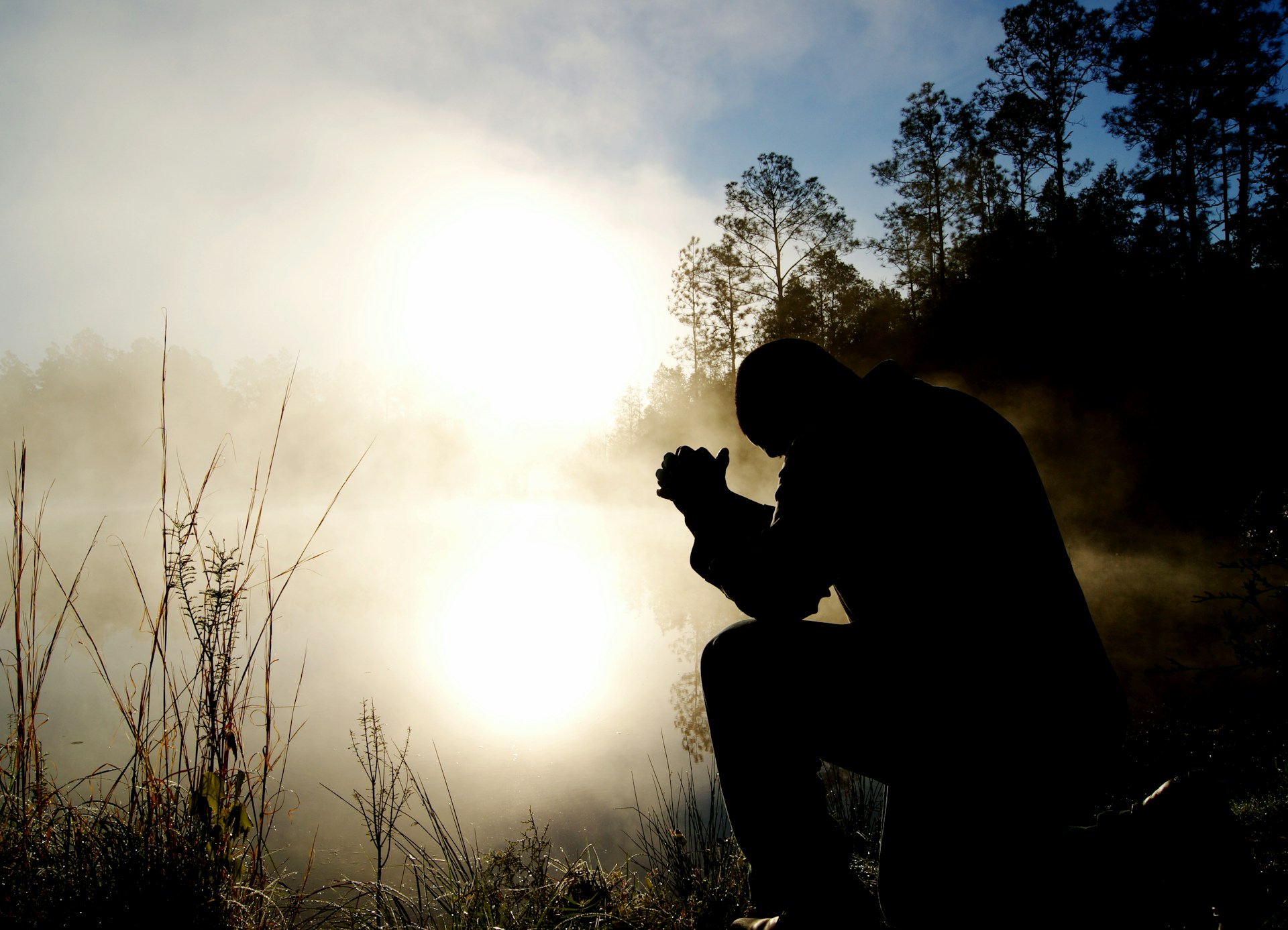
As January closes and we move on to February, March, and the rest of the year, many people find themselves returning to normal routines after the momentum of a new year has faded. Pastor Dino Rizzo offers a reminder that prayer is not only a way to begin a season, but a way to carry faith forward every day. The best way to move into the months ahead is not by doing more, but by continuing to seek God first.
That’s why so many churches set aside 21 Days of Prayer at the start of the year, creating space to reset hearts, refocus priorities, and anchor life in God’s presence. This year’s 21 Days of Prayer and Fasting has ended, but the invitation remains the same: prayer isn’t meant to stay confined to January. It’s meant to shape the entire year.
Below, Rizzo shares practical insight on how to keep prayer at the center as you move forward. Rather than requiring a major shift in your schedule, praying first is built through small, intentional habits, often beginning with just the first fifteen minutes of the day.
What Does “Pray First” Mean?
To pray first means choosing prayer as your initial response rather than your last resort. Instead of reacting to emails, news, or responsibilities, you begin the day by acknowledging God, surrendering control, and inviting His direction.
Dino Rizzo on Why Prayer Comes Before Planning
Dino Rizzo has consistently taught that prayer aligns the heart before it activates the hands. Vision, leadership, and productivity flow more clearly when they are rooted in time with God. A life shaped by prayer creates a spiritual foundation that sustains you long after January ends.
How Do You Pray First Moving Forward?
You don’t need hours of uninterrupted silence or a perfect routine. Here’s a simple, practical approach:
Give God the First 15 Minutes
Before checking your phone or starting your day, set aside 15 minutes for prayer. Consistency matters more than length.
Start with Gratitude
Begin by thanking God for who He is and what He has already done. Gratitude softens the heart and builds faith.
Pray Scripture
Choose a short passage or Psalm and pray it back to God. This keeps prayer grounded and focused.
Surrender the Day
Offer your plans, responsibilities, and decisions to God. Ask for wisdom, clarity, and sensitivity to His leading.
Listen, Don’t Rush
Prayer is not only talking, it’s listening. Even a moment of stillness creates space for God to speak.
What are the 21 Days of Prayer?
Every year, churches across the nation set aside 21 Days of Prayer at the beginning of the year. While formats vary, the heart is the same: prioritizing prayer as a community and individually.
Even though this year’s season has ended, the purpose continues. These weeks serve as a reminder that spiritual renewal often begins with intentional focus—and daily prayer doesn’t have to stop when the calendar moves forward.
Why Praying First Changes the Entire Year
Prayer shapes what follows. When you continue putting God first, priorities tend to realign. Anxiety decreases. Faith increases. Decisions become clearer. Challenges are approached with trust instead of fear.
Rizzo often reminds leaders and families alike that who we become matters more than what we accomplish. Prayer forms the inner life before it impacts the outer one.
When God comes first, everything else finds its proper place.
About Dino Rizzo
Dino Rizzo, a 35-year ministry veteran, co-founded Healing Place Church with his wife, DeLynn, where he served as senior pastor for two decades, and is the Executive Director of the Association of Related Churches (ARC). Through his passion for inspiring believers to serve their communities, he also founded Servolution, a movement that encourages churches and individuals to become the “hands and feet of Jesus” by meeting tangible needs like food, housing, and support.
Meta Description:
Dino Rizzo shares simple, practical ways to keep prayer first and move forward with faith beyond January. These timeless habits reflect the heart behind the 21 Days of Prayer many churches observe each year.

Pastoral leadership is not defined by a single launch moment or a season of rapid growth. It is shaped over time through faithfulness, perseverance, and the ability to navigate both moments of momentum and seasons of challenge. The Association of Related Churches (ARC) exists to support pastors throughout the full arc of ministry, helping leaders remain healthy, effective, and anchored in their calling.
From its earliest days, ARC has operated with a long-term perspective. Church planting is not viewed as a one-time milestone but as the beginning of a journey that unfolds over decades. That conviction shapes how pastors are supported well beyond the early years of leadership.
Support That Extends Beyond Launch Season
While the Association of Related Churches is often recognized for its role in church planting, its impact continues long after a church is launched. As congregations grow and leadership demands increase, new challenges naturally emerge. ARC was designed to walk with pastors through those transitions.
Ongoing coaching, peer connection, and access to experienced leaders allow pastors to navigate each new phase with wisdom and confidence. Leaders are able to draw from shared experience, learning how others have faced similar seasons and remained faithful through change.
A Relational Network Built for the Long Term
At the heart of the Association of Related Churches is a deeply relational network. Ministry leadership can feel isolating at times, especially during seasons of pressure or uncertainty. ARC counters that isolation by connecting pastors to trusted relationships rooted in shared mission and mutual understanding.
Through gatherings, ongoing connection, and peer-to-peer support, pastors find encouragement, accountability, and prayer. These relationships often become a sustaining force, reminding leaders that they are not carrying the weight of ministry alone.
A Focus on the Inner Life of Leaders
Thriving in ministry requires more than visible success. Personal health, spiritual depth, and integrity play a critical role in long-term leadership. Throughout the ARC network, leaders are continually reminded that who they are becoming matters just as much as what they are building.
Attention is given to character, emotional health, and unity at home, recognizing that unaddressed issues eventually affect leadership. By encouraging pastors to steward their inner lives well, the Association of Related Churches supports leadership that endures.
Navigating Change With Confidence and Clarity
Every ministry season brings change. Growth, transition, and new responsibility can stretch even the most seasoned leaders. Within the ARC community, pastors are equipped with tools and guidance that help them respond thoughtfully rather than reactively.
Learning from others who have already navigated similar transitions allows leaders to move forward with clarity. This shared wisdom helps pastors remain grounded in their calling while embracing the future with confidence.
Thriving Together Through Every Season
Ministry was never meant to be a solo journey. Through long-term relationships, shared experience, and a commitment to leadership health, the Association of Related Churches continues to help pastors thrive through every season of ministry while remaining faithful to the mission they were called to serve.
About the Association of Related Churches
The Association of Related Churches is a global network of independent churches from diverse denominations and backgrounds that strategically resource pastors and church planters to help them reach people with the message of Jesus. Founded in 2000, ARC has helped launch more than 1,180 life-giving churches around the world and continues to support leaders through training, coaching, and relational partnership.


Gordon Ramsay and his fitness routine as a celebrity chef

The leadership traits and skills of Bill Gates

How acclaimed singer Adele lost so much weight

Zac Efron’s daily routine for his Baywatch body
The leadership traits and skills of Bill Gates

How does nutrition affect exercise with a celebrity example
-
 Lifestyle2 weeks ago
Zac Efron’s daily routine for his Baywatch body
-
 Leadership1 week ago
The leadership traits and skills of Bill Gates
-
 Food & Cooking2 weeks ago
How does nutrition affect exercise with a celebrity example
-
 Lifestyle1 week ago
Gordon Ramsay and his fitness routine as a celebrity chef
-

 Lifestyle6 years ago
Debut album by Amalia Kadis delights her eager and rapidly growing fanbase
-

 Leadership2 weeks ago
The unique leadership style of Jeff Bezos
-

 Leadership2 weeks ago
The key factors of Mark Zuckerberg’s journey to leadership
-

 Food & Cooking1 week ago
How Gordon Ramsay became a successful chef